
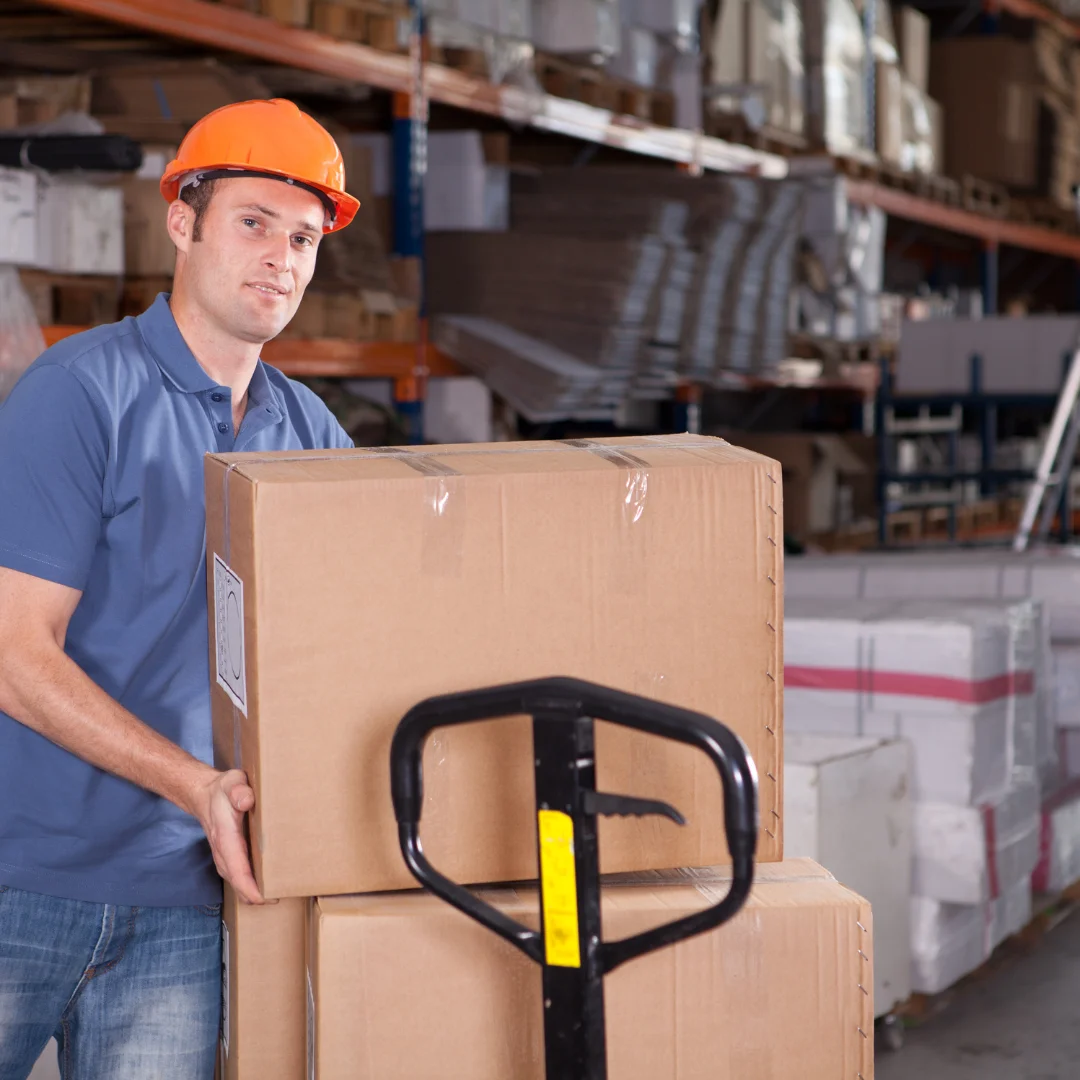
Manual handling injuries are a leading cause of workplace absences in the UK. Poor lifting, carrying, pushing, and pulling can cause back pain, strains, and other long-term injuries in places like warehouses, hospitals, offices, shops, and construction sites.
At First Aid at Work Training, we offer professional manual handling training courses in London that align with HSE guidelines. These courses help employees and organisations improve safety and lower injury risks. Our training includes safe lifting techniques, risk assessments, posture awareness, and tips to prevent injuries.
This manual handling course is ideal for warehouse staff, healthcare workers, office staff, retail teams, hospitality workers, construction workers, supervisors, and employers who need safety compliance training in London.
Whether you want online or in-person manual handling training in the UK, our experienced trainers provide reliable instruction based on current UK safety standards.
Manual handling training is a safety course that teaches employees how to lift, carry, and move items safely at work. This training helps workers avoid injuries from unsafe movements, bad posture, repetitive tasks, and wrong lifting techniques.
A professional manual handling course in London helps employees recognise workplace hazards and improve their handling skills. It also teaches safer work practises that follow UK Health & Safety guidelines. This training is used in warehouses, healthcare settings, offices, retail stores, hospitality venues, and construction sites where manual tasks are common.
Manual handling means using physical effort to lift, lower, carry, move, or push objects. In many jobs, it also includes repeated movements and awkward positions, especially with heavy or unstable items.
Examples of manual handling at work are:
Under the Manual Handling Operations Regulations, employers must reduce risks and provide safety training. This training helps workers learn to do their jobs safely and stay healthy.
The main goal of manual handling training in London is to prevent injuries and boost safety at work. Unsafe handling can lead to serious injuries like back pain, shoulder strain, neck pain, and joint issues that can affect workers for a long time.
Our manual handling course teaches participants to:
This manual handling course is available online and in classrooms, suitable for both individuals and organisations looking to prevent workplace injuries. By enhancing employee skills and awareness, businesses in Greater London can create safer work environments and reduce staff absences and accidents.
Every day, people in London and Greater London do manual handling tasks. They lift deliveries, move equipment, carry stock, and assist patients. If safe practises aren’t used, these tasks can cause serious injuries. Proper manual handling training helps employees work safely and reduces risks for everyone.
A good manual handling training programme improves workplace awareness, encourages safer habits, and helps organisations follow UK health and safety regulations.
Incorrect lifting and poor handling techniques cause many workplace injuries in the UK. Employees who lift, carry, push, or pull loads without proper training are more likely to suffer back injuries, muscle strains, joint damage, and other long-term health issues.
Manual handling training in London helps employees learn how to:
By improving handling techniques, organisations can reduce accidents, cut down on employee absences, and create a safer work environment. This is especially important in industries like logistics, healthcare, retail, hospitality, and construction, where manual tasks often happen.
Effective manual handling training not only lowers the risk of injuries but also boosts employee confidence and well-being. When staff learn safe lifting techniques and ergonomics, they perform tasks safely and correctly throughout the day.
Manual handling training helps businesses by:
Whether online or in-person, proper training equips employees with the knowledge and confidence to work safely in demanding roles. For employers in London, investing in safety training can improve productivity, lower compensation risks, and help retain staff.
Manual handling tasks occur in nearly every workplace, making manual handling training in London essential for both employees and employers in many industries. Workers who lift, carry, push, pull, move equipment, or perform repetitive tasks can all benefit from training in workplace safety.
Our manual handling course is tailored for individuals, teams, and organisations in London and Greater London. It aims to improve workplace safety, lower injury risks, and ensure compliance with HSE standards.
Warehouse and logistics work often requires lifting, loading, unloading, stacking, and moving heavy items daily. Without proper training, these tasks can cause serious back injuries and long-term problems.
We recommend manual handling safety training for:
Our manual handling training course in London teaches safe lifting techniques, proper carrying methods, and risk assessment steps to enhance workplace safety and reduce accidents.
Healthcare workers, caregivers, retail staff, and hospitality employees often perform manual tasks like moving stock, using equipment, transporting supplies, and assisting people safely.
Manual handling training courses in Greater London are good for:
This online and classroom manual handling training in the UK teaches workers how to improve posture, use safer movement techniques, and reduce physical strain during daily activities.
Manual handling isn’t just for physically tough jobs. Everyone, from bosses to office workers, helps keep the workplace safe and lowers the risk of injuries.
Training helps:
Taking a manual handling course, either online or in a classroom, can boost safety awareness, support employee well-being, and ensure compliance with safety regulations.
Manual handling can be risky if tasks are done wrong, over and over, or without following safety rules. In many London industries, workers face daily dangers from lifting, carrying, pushing, pulling, and moving items in busy settings.
A professional manual handling training course in London helps workers spot common hazards before they cause injuries. Knowing these risks is key to preventing injuries and promoting safer work habits.
One common workplace risk is improper lifting and repetitive movements. Employees who lift heavy or awkward items without training are more likely to get back injuries, muscle strains, joint pain, and other issues.
Unsafe manual handling practises include:
Over time, these habits can cause musculoskeletal disorders in the back, neck, shoulders, arms, and knees. Proper manual handling training teaches employees safer lifting techniques and helps reduce strain on their bodies.
Some workplaces require more manual handling, which increases the risk of injury. Busy areas, tight spaces, slippery floors, and fast work can lead to accidents if procedures aren’t followed.
High-risk workplaces include:
Common high-risk manual handling tasks are:
Our manual handling course teaches how to identify these hazards, conduct safer risk assessments, and use practical injury prevention methods. Whether taken online or in a classroom, the course helps create safer workplaces across Greater London.
Unsafe manual handling can cause many workplace injuries that often build up over time. Employees who frequently lift, carry, push, pull, or move heavy loads without proper training are more likely to suffer physical strain and long-term health issues.
Taking a professional manual handling training course in London helps employees spot injury risks early and learn safe handling techniques to protect their health at work.
Manual handling injuries happen when workers lift incorrectly, carry heavy loads, or repeat tasks without proper posture. These injuries can harm muscles, joints, ligaments, and the spine.
Common manual handling injuries include:
Many injuries happen when employees twist while lifting, carry awkward items, reach too far, or don’t assess risks properly. High-pressure work and repetitive tasks make injuries more likely.
Our manual handling course teaches safe lifting techniques, proper posture, and injury prevention methods to significantly reduce these risks.
Unsafe manual handling can seriously impact employees and organisations over time. What starts as small pain or strain can lead to long-term muscle and joint problems, making it hard for people to work comfortably and safely.
Long-term issues from unsafe manual handling can include:
For employers, manual handling injuries can mean more absences, lower staff performance, workplace issues, and possible legal problems related to Health & Safety responsibilities.
Manual handling safety training helps employees and organisations learn safer work practises and promotes better health in the workplace. This training can be online or in-person in Greater London and helps create a safer, healthier, and more compliant work environment.
Using the right lifting and moving techniques is crucial for safety in the workplace. Bad posture, quick movements, and wrong handling can strain the body and raise the risk of injury. Proper training helps employees perform manual tasks safely, efficiently, and confidently.
Our manual handling training course in London teaches practical methods to prevent injuries and promote safer daily practises in many industries.
Safe lifting starts with good posture and body positioning before moving any load. Employees should check the weight and stability of the object and not lift anything that seems unsafe to handle alone.
Key safe lifting tips include:
Employees should avoid rushing tasks, especially in busy workplaces where distractions and poor posture can lead to injuries. Good body positioning lessens stress on the spine, muscles, and joints and improves stability.
Our manual handling safety training teaches learners how proper posture and lifting techniques can lower the risk of back injuries and musculoskeletal disorders at work.
Carrying and moving loads safely is more than just lifting correctly. Employees need to know how to move items safely while staying aware of their surroundings.
Here are some safe moving tips:
It’s better to push or pull items rather than carry them, especially if they’re heavy. Employees should also know when to use equipment like trolleys or lifting aids to reduce strain and improve safety.
Training, whether online or in-person, provides practical skills that can be used in various workplaces, including warehouses, healthcare, retail, offices, hospitality, and industrial settings in Greater London.
Many workplace injuries come from unsafe pushing, pulling, and moving, not just lifting. Employees often use too much force, have bad posture, or use the wrong methods when moving equipment, stock, cages, trolleys, or heavy items. Without proper training, these tasks can seriously strain the back, shoulders, arms, and joints.
Our manual handling training course in London teaches safe ways to move loads, helping employees reduce physical strain at work.
Pushing and pulling tasks should always be done with care and correct body positioning. Pushing is usually safer than pulling since it puts less strain on the spine and helps employees stay upright and see better.
Key safety tips include:
Employees should not overload trolleys or try to move heavy or unstable equipment. Uneven floors, tight spaces, and poor layout can increase the risk of injury and accidents during manual handling.
In our workplace manual handling course, learners discover how using proper techniques can prevent injuries and reduce strain during repetitive tasks.
Workplaces need employees to handle equipment and materials safely. Whether moving stock in retail or transporting medical gear in healthcare, following safe handling procedures is crucial for safety.
Key safe handling techniques include:
Employees should perform simple risk assessments before moving heavy or awkward items. This helps spot risks like unstable loads, blocked paths, poor lighting, or unsafe surfaces.
Our manual handling safety training, available online or in-person in Greater London, teaches safer ways to push, pull, and handle items. This training applies to warehouses, offices, healthcare, retail, hospitality, and industrial settings.
Good posture and proper workplace ergonomics help prevent injuries and improve employee well-being. Bad body positioning, repetitive movements, and poorly designed workspaces can strain muscles and joints, raising the risk of long-term injuries.
Our manual handling training course in London teaches learners how posture, movement, and workspace setup impact safety and health. By improving body mechanics and ergonomic awareness, employees can work more comfortably and safely in various industries.
Correct posture helps the body move well and reduces strain on the back, shoulders, neck, and joints. Employees who lift, carry, push, pull, or sit for long periods can hurt themselves if they don’t use proper movement techniques.
Common risks include:
Training on manual handling teaches employees how to maintain better posture during both physical tasks and desk work. Good body positioning lowers fatigue, improves balance, and reduces the risk of injury.
In Greater London, good posture is especially important for warehouse staff, healthcare workers, office employees, retail teams, and construction workers who do repetitive or physically demanding tasks every day.
Workplace ergonomics aims to design tasks and workspaces that minimise physical strain and promote safer conditions. Small changes in equipment, workspace layout, and work habits can greatly enhance employee comfort and prevent injuries.
Employers must identify risks in the workplace and create safer environments by conducting proper manual handling assessments and providing staff training.
Our workplace manual handling course, available online or in classroom sessions in London, helps employees and organisations increase safety awareness, reduce physical strain, and ensure long-term health and safety compliance.
Manual handling risk assessments are vital for workplace safety and preventing injuries. They help employers and employees spot tasks that might cause harm and implement safer measures before accidents happen. In places where lifting, carrying, pushing, or pulling is common, risk assessments are crucial for reducing injuries and meeting health and safety requirements.
Our manual handling training in London teaches learners how to identify risks in the workplace and apply safer practises to reduce injuries in various industries.
A manual handling risk assessment looks at workplace tasks to find injury risks. This includes the load, the environment, the task’s physical demands, and the person doing it.
Common risks include:
Employees should also think about tasks that require too much force, twisting, or long physical effort. In busy places like warehouses, hospitals, retail stores, and construction sites, these risks can cause strains, back injuries, and other problems if ignored.
Our manual handling course teaches how to spot these hazards and use safer handling methods in real situations.
Once risks are identified, employers and employees can take steps to reduce hazards through safer work practises and better procedures. The aim is to lessen physical strain and make manual handling tasks safer.
Effective ways to lower risks include:
According to the Manual Handling Operations Regulations, employers should avoid risky manual tasks when they can and reduce those they can’t eliminate. Providing manual handling training for Greater London employees is key to fulfilling these responsibilities.
Our online and classroom-based manual handling courses help organisations improve safety awareness, meet compliance standards, and support effective injury prevention strategies.
Creating a safe workplace is a team effort between employers and employees. UK safety laws require both to take steps to minimise manual handling risks and promote safe practises. Training, awareness, and proper handling procedures are key to preventing injuries.
Our manual handling training course in London helps learners understand their responsibilities and supports safer workplaces in London and Greater London.
Employers must keep their staff safe from preventable injuries related to manual handling. According to the Manual Handling Operations Regulations and other health and safety laws, businesses need to evaluate risks at work and implement safety measures.
Employer responsibilities include:
Employers should also make sure that staff know safe lifting techniques, proper posture, and handling methods specific to their jobs. This is particularly important in warehouses, healthcare, retail, hospitality, and industrial settings where manual work is common.
Offering access to manual handling training in London can help businesses improve safety, reduce injuries, decrease staff absences, and lower legal risks.
Employees play a key role in keeping the workplace safe and reducing risks from manual handling. They should follow training, use safe techniques, and report any hazards that could cause injuries.
Employee responsibilities include:
Employees should also work with employers during safety training and consistently apply safer methods in their daily tasks.
Our training, whether online or in-person in London, helps both employers and employees understand their responsibilities to create a safer workplace.
Our manual handling training course in London teaches practical skills that employees can use right away at work. The course aims to raise awareness about safe handling, lower the risk of injuries, and help participants perform manual tasks confidently and safely.
Learners can take the course online or in a classroom. Either way, they gain useful knowledge that promotes safer practises in warehouses, healthcare, offices, retail, hospitality venues, and industrial workplaces.
During the training, learners will learn practical methods for handling items safely in the workplace. The course teaches how to lift and carry loads without putting physical strain on the body.
Key skills covered include:
Learners will also understand how to assess manual handling risks and make simple changes to improve safety at work.
Our manual handling course offers clear, practical guidance for preventing workplace injuries and promoting safer employee behaviour.
Many workplace injuries happen when employees rush, use poor techniques, or overlook hazards. Manual handling safety training helps workers recognise risks and feel more confident during physical tasks.
The course teaches learners to:
By increasing safety awareness, organisations in Greater London can create healthier workplaces and encourage safer habits.
Whether you’re an employee or an employer arranging training for staff, this manual handling course offers practical skills for long-term safety and compliance.
At First Aid at Work Training, we provide flexible manual handling training in London to meet various needs. Learners can choose from online self-paced courses, in-person classes, or on-site group training across Greater London.
Both options teach important safety skills and help with manual handling rules. The best choice depends on the type of work, how many employees need training, and how much practical guidance is needed.
An online manual handling course offers flexible and easy training for individuals and businesses needing workplace safety education. Learners can complete the course at their own pace and fit it into their work schedules.
Benefits of online manual handling training in the UK include:
This training is especially helpful for office workers, retail staff, hospitality employees, and organisations that need flexible safety compliance training across different locations. The course covers important topics like safe lifting techniques, preventing workplace injuries, assessing manual handling risks, posture awareness, and safety guidelines aligned with HSE standards.
Classroom manual handling training offers a hands-on way for learners to practise techniques with experienced trainers. This is especially useful for jobs where employees often lift and move heavy items.
In-person manual handling training in London has several benefits, including:
Classroom and on-site training are preferred in warehouses, logistics, healthcare, construction, and industrial workplaces where manual handling skills are crucial.
Whether you pick an online course or a classroom training in Greater London, our manual handling course aims to improve workplace safety, reduce injury risks, and ensure compliance with UK safety standards.
Our manual handling training course in London provides straightforward and practical safety training for individuals and organisations. It combines key manual handling knowledge with real-world tips to help learners enhance safety and lower injury risks at work.
The course is available online, in classrooms, or through group training on-site. It is designed for various industries and accommodates different work schedules in London and Greater London.
The manual handling course teaches important safety rules and techniques to help employees avoid injuries at work.
Topics include:
We offer flexible learning options:
Our skilled trainers provide clear instructions to help workplaces stay safe and boost employee confidence in manual handling.
The course features simple assessments to ensure learners understand key manual handling principles and workplace safety rules. These assessments may include multiple-choice questions, practical observations during class, or exercises based on knowledge, depending on the course format.
After passing the course, learners receive a recognised manual handling certificate that London organisations can use for workplace training and compliance.
Key benefits of the course include:
Whether you are taking online manual handling training individually or booking training for staff across Greater London, our courses offer practical, accessible, and safety-focused learning.
Taking a professional manual handling training course in London offers key benefits for employees and employers. Proper training makes workplaces safer, boosts staff awareness, and helps meet UK safety rules.
When employees learn safe lifting techniques, good posture, and proper handling, they can perform daily tasks with more confidence. This reduces the chance of injuries and keeps the workplace running smoothly.
Manual handling safety training helps organisations improve workplace safety by educating employees and encouraging safer habits. When staff know the right lifting techniques, they can spot hazards and follow safe practises during manual tasks.
Key benefits of workplace safety include:
For employers, offering manual handling training shows a commitment to employee well-being and safety as required by the Manual Handling Operations Regulations.
This training can be provided online or in-person and promotes a safer work environment in settings like warehouses, healthcare, retail, offices, hospitality, and industrial sites.
Unsafe manual handling can cause injuries that harm both workers and businesses. Back pain, muscle strains, and other disorders often lead to missed work, lower productivity, and more pressure on teams.
Taking manual handling training courses in Greater London can help organisations reduce:
Employees also learn better body awareness, safer movement, and ways to reduce strain while working.
By investing in manual handling training in London, organisations can boost efficiency, improve safety, and create healthier work environments for staff in many industries.
UK Health & Safety laws protect workers from injuries caused by manual handling at work. Employers must find risks, reduce dangerous tasks when they can, and train staff on lifting and moving safely.
Our manual handling training course in London helps companies follow safety rules and lowers injury risks in various work settings.
The Manual Handling Operations Regulations require employers to manage and reduce risks from manual handling in the workplace. These rules apply to many sectors, like warehouses, healthcare, retail, offices, hospitality, and construction.
According to the regulations, employers must:
Employees must also follow safety procedures and use safe lifting techniques during manual handling tasks.
Our manual handling course teaches learners about these legal responsibilities and promotes awareness of injury prevention and safer handling methods.
The Health and Safety Executive (HSE) offers practical tips to help employers and workers reduce injuries from manual handling and improve safety at work. Their guidance focuses on spotting risks early, enhancing workplace setups, and promoting safer handling methods.
Key HSE principles for manual handling include:
Following HSE guidelines can lower accidents, reduce employee absences, and enhance overall workplace health.
Our training, available online or in-person in London, helps individuals and organisations comply with safety standards and promote safer working conditions across Greater London.
Taking a professional manual handling training course in London gives learners essential safety skills for the workplace. Certification shows that employees have learnt about manual handling, injury prevention, and safe lifting techniques.
Our training is ideal for individuals, employers, and organisations in London and Greater London looking for effective workplace safety training.
After finishing the manual handling course, learners get a manual handling certificate. Employers in London can use this certificate to show that their staff have received safety training.
The certificate shows that learners understand:
Manual handling certificates are recognised in many industries, including:
Employers use manual handling training records to ensure workplace safety, support staff training, and maintain Health & Safety documents.
UK laws don’t always set an exact expiration date for manual handling certificates. However, refresher training is highly recommended. It helps employees stay safe and aware of current safety procedures.
Many organisations renew manual handling training every one to three years based on factors like:
Refresher courses in manual handling can reinforce safe lifting techniques, improve awareness, and ensure compliance with health and safety regulations.
Whether done online or in a classroom, regular refresher training helps employees feel confident and promotes safer workplaces throughout Greater London.
At First Aid at Work Training, we offer flexible manual handling training for businesses and teams in various industries. Our goal is to help employers ensure safety, lower injury risks, and meet UK safety regulations.
Whether you need training for a small group or a large workforce in different departments, we provide practical manual handling courses suited to various workplaces in London and Greater London.
Our on-site and group manual handling safety training lets organisations train employees at their workplace or another location. This is especially useful for businesses where manual handling is part of daily tasks.
We offer training for:
Our on-site manual handling training programmes in Greater London can be tailored to address the specific risks, equipment, and conditions employees encounter. This helps staff use safer lifting techniques and prevent workplace injuries more effectively.
Different organisations need different training methods. We offer flexible options that fit your schedule and business needs.
Our training options include:
Our experienced trainers provide clear, practical workplace safety training that helps organisations improve employee awareness and lower handling risks.
Benefits for businesses:
Whether you’re training new employees, supervisors, warehouse teams, or healthcare staff, our manual handling courses offer practical safety solutions for a safer, compliant workplace.
Manual handling training is key to making workplaces safer. It helps reduce injuries and boosts employee confidence. Whether you want to learn more about safety or need to train your staff, our manual handling courses in London offer flexible and practical options for today’s work environment.
At First Aid at Work Trainings, we provide professional manual handling training for employees, supervisors, and businesses in London and Greater London. We offer online courses, classroom sessions, and on-site training to help individuals and teams complete recognised safety training that meets HSE standards and prevents workplace injuries.
Our manual handling training courses in London fit many industries, such as warehouses, healthcare, offices, retail, hospitality, and construction.
We offer:
Book your course early to get your preferred date and delivery method while meeting your workplace safety training needs efficiently.
We offer flexible on-site and group manual handling courses for businesses in Greater London. Our skilled trainers provide hands-on training at your workplace to help teams understand manual handling in real settings.
Group training is perfect for:
If you need manual handling training in London or online options, our team can help you find the best programme for your needs.
£34.99

Reviews
There are no reviews yet.